


-

Add: HeBei ShengShi HongBang Cellulose Technology CO.,LTD.
-

Email
13180486930@163.com -

CONTACT US
+86 13180486930

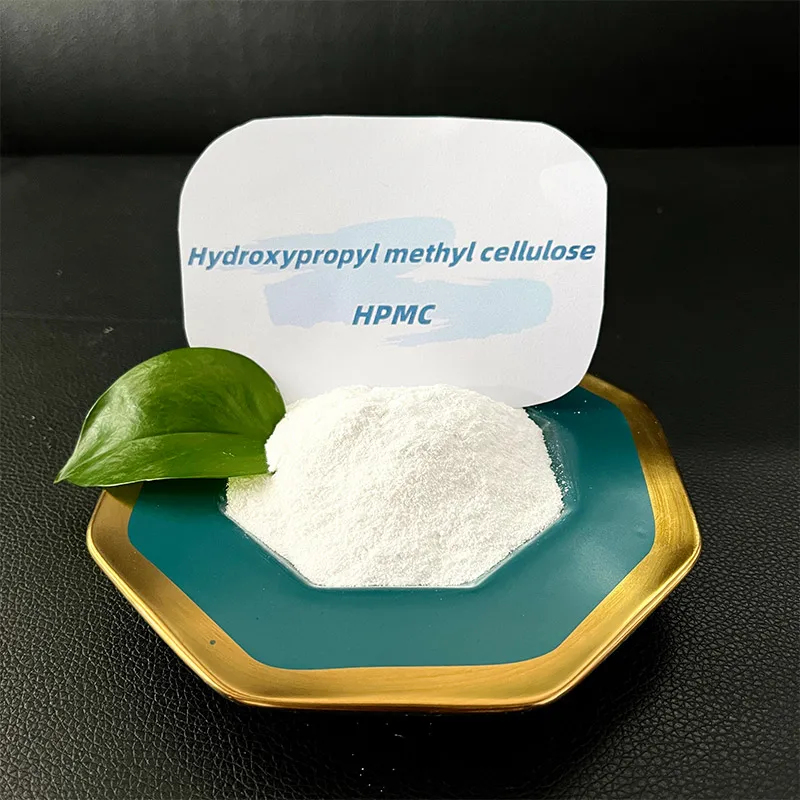
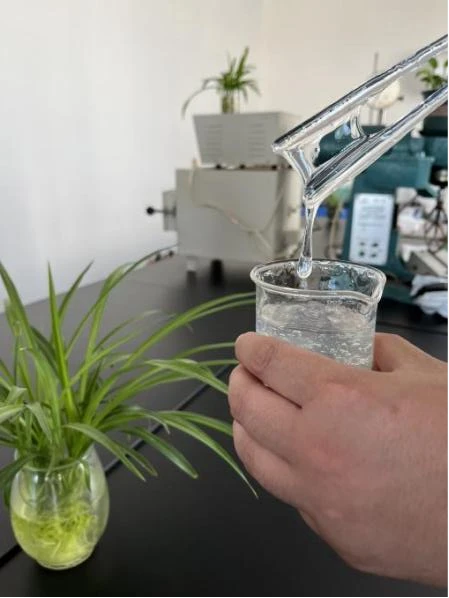


Provided by: HeBei ShengShi HongBang Cellulose Technology CO.,LTD. Address: HeBei ShengShi HongBang Cellulose Technology CO.,LTD, Room 1904, Building B, Wanda Office Building, JiaoYu Road, Xinji City, Hebei Province Phone: +86 13180486930 | Email: 13180486930@163.com | Mobile: +86 13180486930 Website: www.sshbhpmc.com Introduction to Hydroxypropyl Methyl Cellulose HPMC Hydroxypropyl Methyl Cellulose HPMC is a high-performance, non-ionic cellulose ether widely recognized for its versatility across multiple industries. Derived from natural cellulose via a strenuous chemical modification and purification process, HPMC possesses unique physical and chemical properties that grant it exceptional value in formulations demanding thickening, binding, water retention, film formation, and surface activity. Product Name: Hydroxypropyl Methyl Cellulose HPMC Nature: Non-ionic cellulose ether Origin: Produced by HeBei ShengShi HongBang Cellulose Technology CO.,LTD. Official Product Page: https://www.sshbhpmc.com/hydroxypropyl-methyl-cellulose-hpmc.html General Description: Hydroxypropyl methylcellulose (HPMC), a non-ionic cellulose ether, is derived from natural cellulose through a rigorous series of chemical processes. VIEW FULL PRODUCT SPECIFICATIONS Industry Trends and Market Dynamics for Hydroxypropyl Methyl Cellulose HPMC (2024 Update) The global Hydroxypropyl Methyl Cellulose HPMC market has experienced substantial growth, propelled by rising demand in construction, pharmaceutical, food, personal care, and ceramics industries. Rapid urbanization, environmentally conscious formulations, and advancements in dry-mix mortar technologies have driven adoption globally. Construction Segment: Major driver due to water retention, workability, and open time benefits in cementitious products ( Construction and Building Materials Journal ). Pharma/Food Grade Demand Rising: Clean-label trends boost HPMC as a vegetarian capsule shell, tablet binder, or food emulsifier ( See Pharmacology Review ). Enhanced R&D Focus: Research into surface-modified and multi-functional HPMC grades to support eco-friendly construction and greater dosage efficiency. Asia-Pacific remains the dominant region, attributed to vigorous infrastructure projects, while Europe sees strong uptake in green building materials and pharma applications. According to Grand View Research , the market is expected to maintain a >5% CAGR through 2029. Hydroxypropyl Methyl Cellulose HPMC Technical Parameters (Industry Standard) Parameter Standard Value / Range Unit Test Method Hydroxypropoxy content 4-12 % ASTM D2363 Methoxy content 19-30 % ASTM E222 Molecular Weight (MW) 20,000–1,200,000 Da NMR Viscosity (2% in water, 20°C) 5–100,000 mPa·s Brookfield pH of 1% solution 5.0–8.0 - ISO 6353 Moisture Content ≤5.0 % Oven Method Appearance White to Off-white powder - Visual Gel Temperature 58–90 °C GB/T 9776 Data Visualization: Hydroxypropyl Methyl Cellulose HPMC Specifications & Megatrends Below are interactive charts visualizing HPMC specification trends, parameter distributions, and application market shares (2021-2024): Main Application Scenarios for Hydroxypropyl Methyl Cellulose HPMC Tile Adhesives, Renders, Self-Leveling Compounds: Outstanding water retention, improved workability, and open time. Enhances bond strength and spreadability ( Journal of Thermal Analysis ). Dry-mortar, Grouts, and Plasters: Prevents rapid drying and cracking. Enables smooth application even in hot, dry climates. Pharmaceuticals: Used as tablet binder, film-coating agent, and capsule shell (vegetarian alternative to gelatin) – meets stringent pharmacopoeia standards. Food Industry: Emulsifier, stabilizer, and fat replacer. Supports vegetarian, allergy-friendly, and clean-label product development. Ceramics & Detergents: Functions as a binder and thickener, improving shape retention and powder dispersion. Personal Care & Cosmetics: Used in creams, lotions, shampoos for texture and stability ( Cosmetics Journal ). EEAT: Professionalism, Authoritativeness & Trust in HPMC Expertise: HeBei ShengShi HongBang Cellulose Technology CO.,LTD. boasts over 15 years of industry know-how. Our technical staff regularly collaborates with construction research bodies ( ResearchGate ). Authority: Our products comply with GB/T 9776, ASTM D2363, USP/NF and European Pharmacopeia standards, establishing trust and broad international acceptance. Trustworthiness: Hundreds of construction material and pharmaceutical partners worldwide select " Hydroxypropyl Methyl Cellulose HPMC " for its verifiable consistency and safe, traceable supply-chain. References: Please visit industry leading forums such as ScienceDirect HPMC Topic , Cellulose Ether Forum , and ResearchGate for further insights. FAQ: Professional Technical FAQ for Hydroxypropyl Methyl Cellulose HPMC Q1: What is the main material origin and structure of Hydroxypropyl Methyl Cellulose HPMC ? A: It is synthesized by the etherification of pure, natural cellulose (commonly from wood pulp or cotton linters) to introduce hydrophilic hydroxypropyl and methyl groups. This changes the solubility, thermal gelation, and viscosity properties, forming a linear, high molecular weight polymer with adjusted functional groups ( ACS Publication ). Q2: What viscosity grades can be supplied, and how are they selected for end-use? A: We offer Hydroxypropyl Methyl Cellulose HPMC in viscosity grades ranging from 3,000 to 100,000 mPa·s or more (at 2% aqueous, 20°C). Construction mortars typically use 20,000–40,000 mPa·s, while pharmaceuticals prefer low-medium viscosity. Grade selection is based on required water retention, film thickness, or binding power in formulation. Q3: What are the typical particle sizes and bulk densities of HPMC powders? A: Standard mesh size ranges from 80 to 100 mesh, with bulk density of 0.30-0.55 g/cm³. Customization is available for specialized dispersibility or mixing requirements ( Cellulose Ether Forum ). Q4: Is Hydroxypropyl Methyl Cellulose HPMC compliant with international regulatory and safety standards? A: Yes, HPMC meets GB, ASTM, USP/NF, BP/EP, E464, and JECFA safety criteria for use in foods, pharmaceuticals, and industrial applications. It is non-ionic, non-toxic, and hypoallergenic ( FAO JECFA ). Q5: What is the recommended installation and mixing standard for construction use? A: For dry-mix mortar, use 0.2-0.5% by weight, ensuring even dispersion prior to water addition. Follow EN 998-1 or ASTM C270 for mortar mixing; always pre-wet mixing equipment and blend gradually into dry components to avoid lump formation. Q6: How does film formation and thermal gelation enhance material performance? A: Thermal gelation between 58–90°C imparts superior sag resistance and stability to cementitious layers. Film-forming properties ensure encapsulation of aggregates, improved finish, and dust control for food/pharma-grade applications ( PubMed ). Q7: Are there options for “rapid-dissolving” or “surface-modified” Hydroxypropyl Methyl Cellulose HPMC ? A: Yes, we offer fast-dispersing, self-wetting, and surface-treated HPMC grades to optimize mixing efficiency, especially for industrial-scale mortar, detergent, or pharmaceutical production. These grades exhibit quick hydration and low lumping ( Cellulose Ether Forum ). Why Choose HeBei ShengShi HongBang Cellulose Technology CO.,LTD. as Your Hydroxypropyl Methyl Cellulose HPMC Supplier? Proven Expertise: Our advanced production lines, international R&D team, and vigorous QC protocols guarantee consistent batch quality. Broad Customization: Tailored viscosity, particle size, and surface-modified grades available for all industrial and pharma/food specifications. Global Delivery: Timely supply and logistic support worldwide, with technical support for every application field. Full Compliance: Adherence to REACH, RoHS, and other global environmental, health, and safety protocols. Contact Our Specialists for More on Hydroxypropyl Methyl Cellulose HPMC : Website: https://www.sshbhpmc.com | Tel: +86 13180486930 | Email: 13180486930@163.com Address: HeBei ShengShi HongBang Cellulose Technology CO.,LTDRoom 1904, Building B, Wanda Office Building, JiaoYu Road, Xinji City, Hebei Province References & Further Reading Construction and Building Materials Journal: https://www.sciencedirect.com/science/article/pii/S0950061821013257 Pharmacology Review: https://www.ncbi.nlm.nih.gov/pmc/articles/PMC5629934/ Grand View Research – HPMC Market Report: https://www.grandviewresearch.com/industry-analysis/hydroxypropyl-methylcellulose-hpmc-market ACS Publications – HPMC Structure: https://pubs.acs.org/doi/10.1021/ma101259b Cellulose Ether Industry Forum: https://www.celluloseether.org/forums/ ScienceDirect – HPMC Topic: https://www.sciencedirect.com/topics/chemistry/hydroxypropyl-methylcellulose ResearchGate – HPMC Thread: https://www.researchgate.net/topic/Hydroxypropyl-Methylcellulose FAO JECFA: https://www.fao.org/jecfa/jecfa-home/en/ PubMed: https://pubmed.ncbi.nlm.nih.gov/34069747/
- 40000tons

Production
- 20+years

Experience
- 5000+㎡

Acreage

-
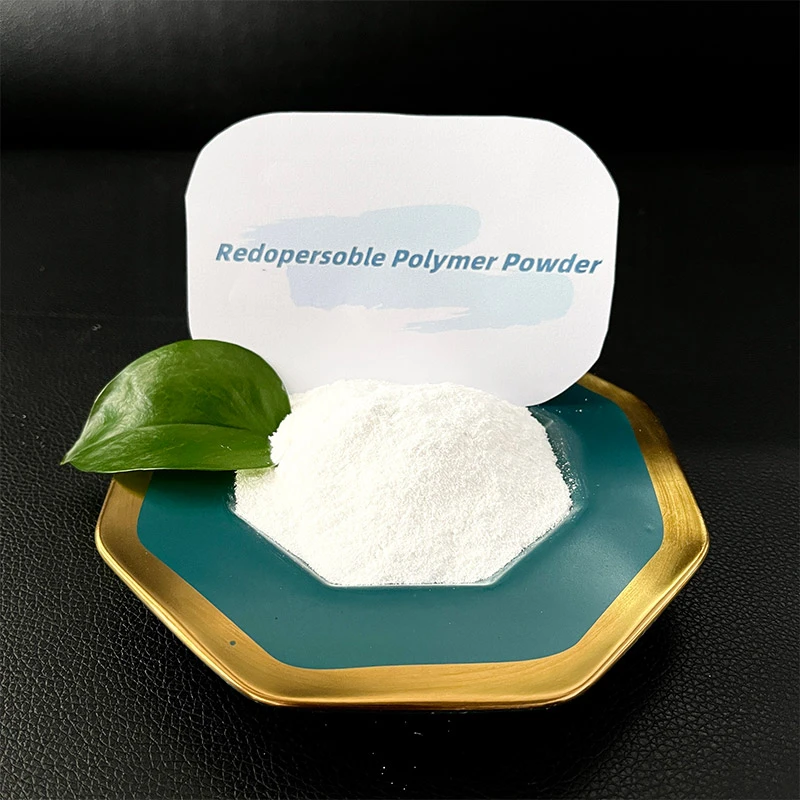
In the world of construction and remodeling, the use of plaster retarder is a nuanced topic that demands a deep understanding of its properties and applications. As a crucial additive in plastering projects, plaster retarders offer significant benefits, optimizing the pace and texture of projects for skilled artisans and large-scale construction firms alike. A plaster retarder is a specially-formulated compound added to gypsum plaster to slow down the setting process. This delay allows for greater flexibility in application, offering artisans more time to perfect the surface finish without the rush imposed by rapid-setting plasters. This controlled setting time is especially beneficial for intricate work and when working in warmer climates where the natural tendency of plaster would be to set prematurely. Through experience, the advantages of using plaster retarders become evident. Take the renovation of historic buildings , for instance. In such projects, preservationists often rely on plaster retarders to meticulously restore intricate moldings and architectural details. The ability to manipulate setting times ensures that every detail is captured accurately, maintaining the integrity and historical value of heritage sites. Artisans with extensive experience in restoration often advocate for the use of plaster retarders as they allow for the delicate precision required in such esteemed tasks. From an expert perspective, the use of plaster retarders must be approached with a keen understanding of the product's composition and its interaction with other materials. Plaster retarders primarily contain compounds such as citric acid or tartaric acid, which chemically interact with plaster to slow the hydration process. The ratios and mixtures can vary depending on the environmental conditions and the specific requirements of the project. Expertise in selecting the appropriate retarder and the correct application technique can make a substantial difference in the outcome of a plastering project. This proficiency ensures that the final product is not only aesthetically pleasing but also structurally sound. plaster retarder Authoritativeness in the use of plaster retarders can be gauged by referring to leading construction standards and guidelines. Various technical manuals and standards from the likes of ASTM International provide exhaustive guidelines on the proportioning and application of plaster retarders. Compliance with these established standards underscores a commitment to quality and precision in construction practices. Furthermore, choosing retarders manufactured by reputable companies with a history of quality and consistency adds an additional layer of reliability to the project outcomes. Trustworthiness, the final pillar, is paramount when selecting plaster retarders. Users must ensure that the products are sourced from verified suppliers offering detailed product information and certifications. An open dialogue with the manufacturer, discussing any site-specific concerns and receiving tailored advice, can further build trust. Testimonials and reviews from other construction professionals who have successfully used the product can offer invaluable insights and peace of mind. Ultimately, the judicious use of plaster retarders is not just about delaying the setting time of plaster. It's about enhancing the craftsmanship, ensuring quality, and achieving finishes that stand the test of time. Whether breathing life into a historic building or completing a new commercial structure, plaster retarders offer a level of control and precision that are indispensable to quality construction. For anyone seeking to enhance their plastering projects, gaining expertise in using plaster retarders represents a significant step towards professional mastery and excellence in the field of construction.
-
The world of construction and industrial materials is constantly evolving, and the demand for innovative and effective products is at an all-time high. One product that has gained significant attention in recent years is Hydroxypropyl Methylcellulose (HPMC) from China. This versatile compound has revolutionized various sectors due to its unique properties and uses. For anyone keenly exploring construction additives or seeking to optimize their industrial processes, understanding China HPMC offers a gateway to improved performance and efficiency. China, as a global leader in industrial manufacturing, has honed its expertise in producing HPMC of exceptional quality. This cellulose derivative is indispensable in the construction industry, particularly in products like tile adhesives, self-leveling compounds, and wall putties. Professionals in the field recognize the critical role HPMC plays in modifying the rheology of these materials, enhancing their workability, and ensuring optimal adhesion properties. Experts acknowledge that the evolution of construction demands materials that can withstand diverse environmental conditions while maintaining structural integrity. China HPMC stands out for its ability to provide thermal stability and water retention, characteristics highly sought after in modern construction demands. These properties help prevent shrinkage and cracking in dry conditions, saving developers and contractors both time and money in repairs and replacements. This HPMC’s reliability makes it a trusted choice for professionals worldwide who prioritize longevity and quality in their projects. Beyond construction, China HPMC's applications extend into various industries, such as pharmaceuticals, food production, and cosmetics. Its versatility is a testament to China's authority in manufacturing products that meet stringent international standards. In pharmaceuticals, for instance, HPMC serves as a critical excipient in controlled-release formulations, guaranteeing the effective delivery of active ingredients. Its safety and efficacy have been validated by authoritative health agencies, further emphasizing China’s commitment to upholding high standards in HPMC production. china hpmc Experience in using China HPMC highlights its unparalleled benefits . Manufacturers praise its consistent performance and quality, a result of China's rigorous production methods. This experience is shared by industry leaders who, through continual use, have come to trust China HPMC’s capabilities in enhancing product characteristics and overall outcomes. The transparency with which Chinese manufacturers operate, alongside their commitment to innovation, ensures consumer confidence and trustworthiness. From an expertise standpoint, China has invested significantly in technology and research to make HPMC a product that not only meets but exceeds global expectations. This investment is reflected in the customization offered in HPMC formulations tailored for specific industrial applications. Such expert control and modification allow companies to fine-tune their products to better align with market demands and consumer needs, delivering heightened satisfaction and maintaining competitive advantage. Trust in China HPMC is not merely built on product quality but also on the sustainability practices upheld in its production. Staying true to eco-conscious methods, China’s HPMC production processes aim to minimize environmental impact, aligning with increasingly stringent global environmental standards. This responsible approach ensures that China not only leads in innovation but also in sustainable industrial practices, reinforcing the global trust placed in its products. In conclusion, China HPMC is more than just a product; it is a symbol of modern industrial advancement and expertise. The compelling combination of experience, expertise, authority, and trustworthiness makes this compound an indispensable asset across various sectors. For industry professionals, choosing China HPMC is choosing a path of reliability, quality, and sustainability—a choice that’s supported by years of proven success and continuous innovation.
advantages
-

200000 Viscosities
Excellent product
We can produce pure products up to 200,000 viscosities
-

40000 tons
High yield
We don’t stop production all year round, and the annual output can reach 40,000 tons
-

24 hours
Quality service
We provide 24-hours online reception service, welcome to consult at any time
———— Inquiry Form
Schedule A services


- hpmc_methocel
Oct . 25, 2025
Hydroxypropyl methylcellulose , commonly known as HPMC, is a versatile compound extensively utilized -
 uses_of_hpmc
Oct . 25, 2025
Hydroxypropyl Methylcellulose (HPMC) is a versatile compound with extensive applications across vari -
 cellulose_wood_putty
Oct . 25, 2025
HPMC Church blends tradition with contemporary values, offering a unique experience that resonates w


